The Role of Drug Testing in a DWI Outpatient Program
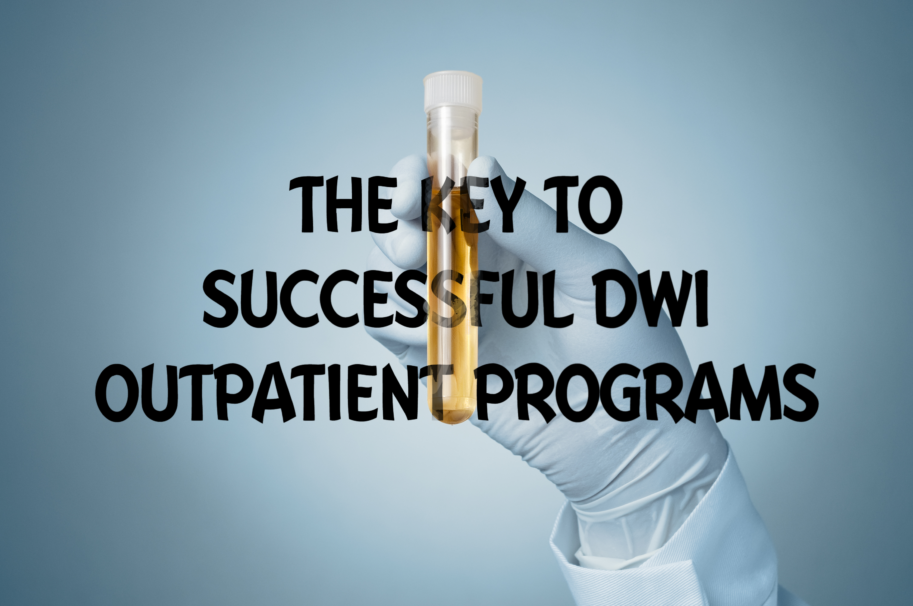
Drug testing is a critical component of any DWI outpatient program, serving as a reliable tool to monitor sobriety and support long-term recovery. Random drug screens elevate the legitimacy of the program, assuring the court system, probation officers, and the MVA that participants are actively maintaining abstinence. These tests offer objective proof of sobriety and help clinicians adjust treatment strategies based on accurate, real-time data.
Why Drug Testing Matters in DWI Treatment
Consistent and random drug testing provides clear evidence of whether an individual is remaining clean or struggling with substance use. Courts and supervising agencies often require documented proof of sobriety, and drug screenings supply that verification.
Beyond compliance, the test results, whether positive or negative, help ensure the treatment plans are effective in supporting accountability and reducing the risk of repeat offenses.
Our Drug Testing Process at Columbia Treatment Center (CTC)
At CTC, every participant undergoes random, monthly, in-office drug screens.
Some individuals may be tested more frequently depending on their legal requirements, clinical progress, or specific concerns identified by their provider.
We test for a comprehensive panel of substances, including:
-
Amphetamines
-
Buprenorphine
-
Benzodiazepines
-
Methadone
-
Cocaine
-
Fentanyl
-
MDMA
-
Methamphetamines
-
Morphine
-
Oxycodone
-
THC (marijuana metabolite)
-
EtG (alcohol metabolite)
-
EtS (additional alcohol metabolite, used alongside EtG to confirm true alcohol consumption vs. incidental exposure such as hand sanitizer)
Dual-Layer Testing for Accuracy and Accountability
CTC uses a two-step testing approach for maximum accuracy:
-
Instant on-site results – for immediate clinical feedback
-
Laboratory confirmation – all samples are sent to Clinical Reference Laboratory for certified analysis
This dual system ensures accurate reporting for court or probation requirements while also supporting clinical decision-making. By quickly identifying any new concerns, we can adjust treatment plans accurately and effectively.
Helpful Links:
National Highway Traffic Safety Administration (NHTSA)
Substance Abuse and Mental Health Services Administration (SAMHSA)